

Every owner asks this, and most of the answers online are useless — a national average applied to a market it does not describe.
Here is how we actually think about it.
Why one number is the wrong answer
Two houses on the same street can differ by 30% or more in annual revenue. The drivers are specific:
Sleeping capacity. The biggest single factor. A house that comfortably sleeps ten competes for group bookings — reunions, corporate trips, multi-family holidays — which pay far better per night than couples’ getaways. The step from six to ten is worth more than the step from three to four bedrooms suggests.
A private pool. In a Texas summer this is close to a requirement. Properties without one see materially softer summer demand, which is the season carrying the year.
Views and water access. Hill Country and lake views command a consistent premium.
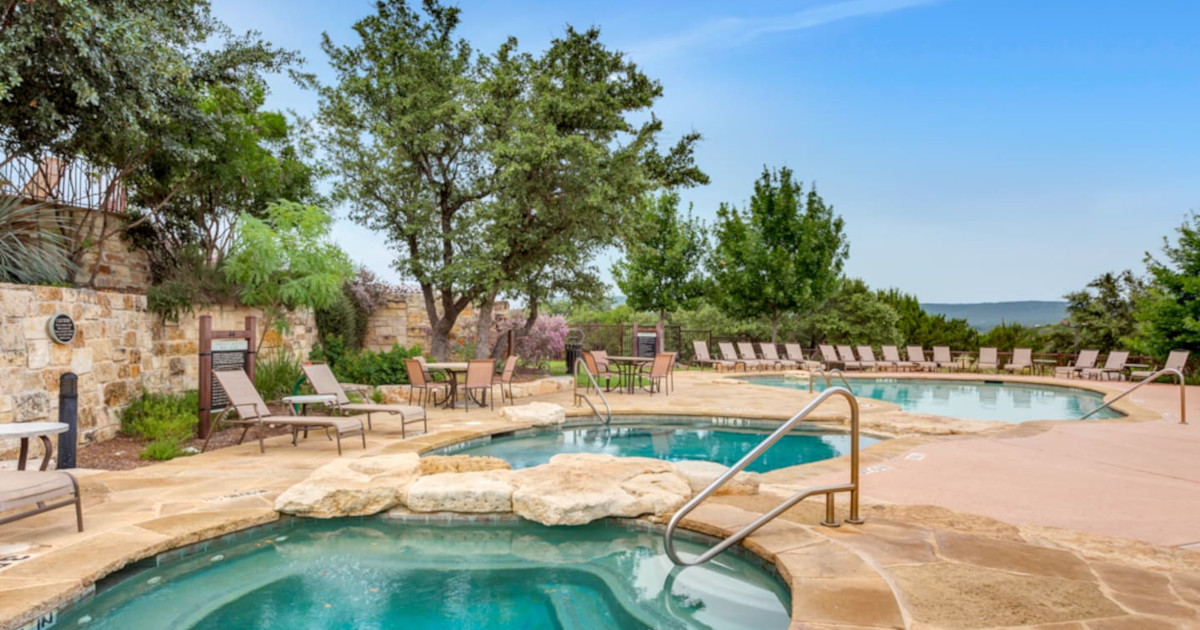
Amenity access. In communities like The Hollows, guests are booking the Beach Club and resort pools as much as the house. Amenity access is part of what you are selling.
Presentation. The cheapest thing to fix and the most underestimated. Photography and furnishing move bookings more than owners expect.
The costs that come off gross
Gross booking revenue is not what reaches your account. Any projection that stops at gross is showing you half the picture:
- Management fee
- Cleaning and turnover — per booking, and higher for pet stays
- Platform commission where bookings come via Airbnb or Vrbo
- HOA or POA dues
- Insurance at short-term-let rates, which is not standard homeowner cover
- Utilities — air conditioning through a Texas summer is a real line
- Maintenance and repairs — higher turnover means faster wear
- Property tax
Net is the only number worth planning around.
Seasonality shapes the year
Lake Travis is highly seasonal. Summer and holiday weekends carry the year; winter is quiet and priced accordingly.
This matters for cash flow as much as totals. Two properties with identical annual revenue can feel very different to own if one earns steadily and the other earns it in four months. We use longer winter bookings — including month-plus snowbird stays — to smooth the trough.
Occupancy is not the goal
Owners often fixate on occupancy percentage. It is the wrong target: 95% occupancy at a rate that is too low earns less than 70% at the right one, and wears the property out faster.
Revenue per available night is the number that matters.
What we will send you
Give us the address and we will come back with:
- A revenue range, not a single figure, with the assumptions written down
- A seasonal breakdown, so you can see the shape of the year
- The cost lines that come off the top
- Whether the community actually permits short-term letting
No charge and no obligation. And if the numbers do not work, we will say so — managing an unhappy owner is worse business for us than declining the property.
Want the real number for your property?
Send us the address and we will come back with a range, the assumptions, and the costs that come off it.
Revenue Estimator →